
Logistics Data Analytics
Fleet Telematics and Cold-Chain Analytics: Use the Data Your Trucks Already Send
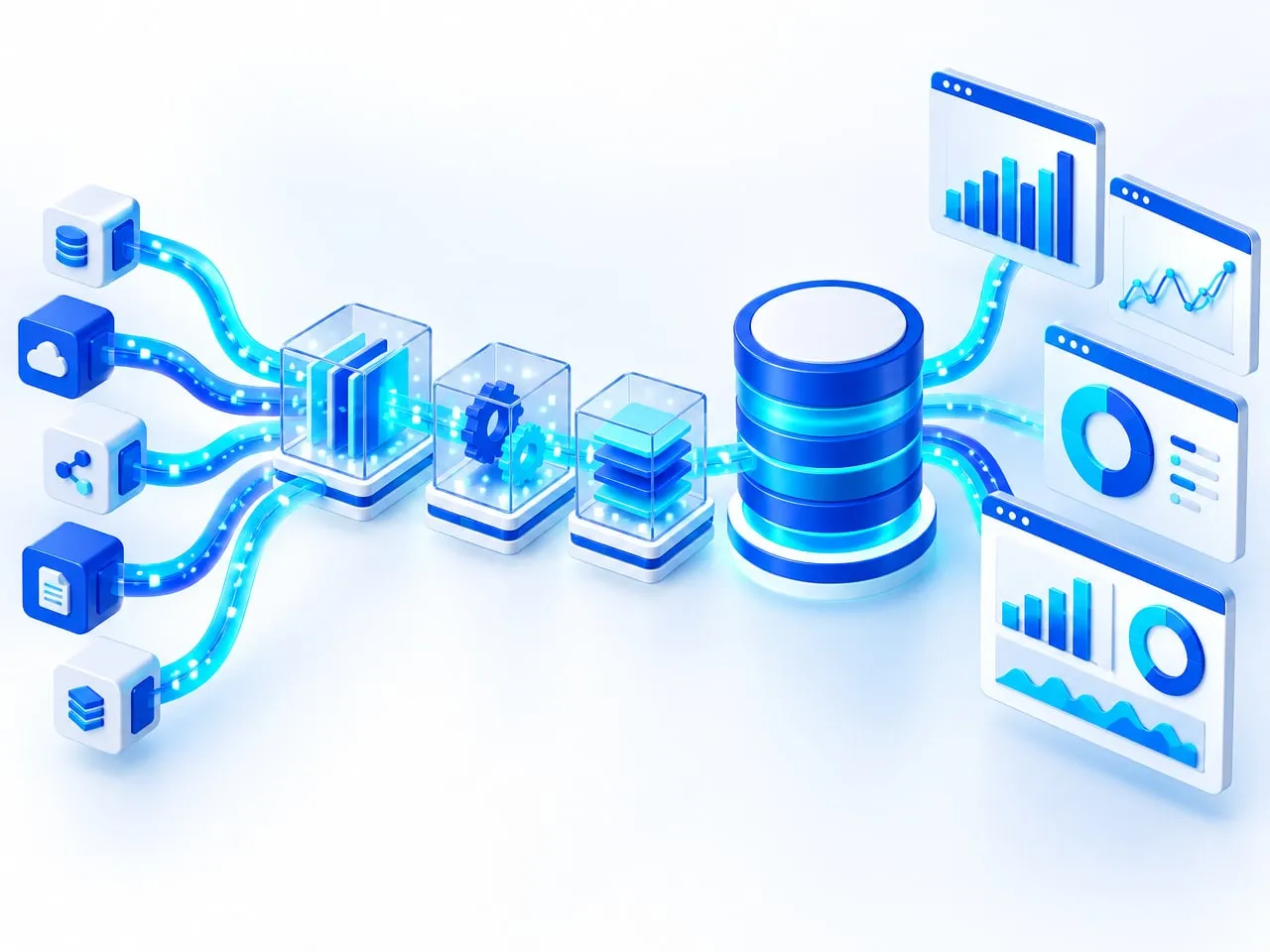
Fleet telematics and cold-chain analytics turns the data your vehicles, trailers and warehouses already produce, such as GPS positions, engine and driver events, reefer temperatures and door openings, into live shipment tracking, reliable ETAs, route and load decisions, and temperature records you can hand to a customer or auditor. Most fleets already pay for trackers and sensors. The data goes to a vendor portal that dispatchers glance at, and nobody joins it with orders, costs or customer commitments. MultiGenesys connects those feeds, puts them in context and builds the dashboards, alerts and optimization that operations and finance teams act on. We typically start with a pilot on one depot, lane or customer.
Outcomes
What you get
Customers told before they ask
Shipment status and ETAs come from live positions and history, so customer service shares a realistic arrival time instead of calling the driver.
Temperature excursions caught in time
Reefer and warehouse sensors raise alerts while a load can still be saved, and every excursion is recorded with time, place and duration.
Cost per trip you can see
Distance, idle time, fuel, tolls and empty running are joined with orders, so you know which lanes, customers and vehicles earn money.
Plans that reflect real roads
Route and load plans use actual travel times and stop durations from your own history, not map estimates alone.
What’s included
Fleet Telematics and Cold-Chain Analytics, end to end
Telematics and tracker integration
GPS trackers, vehicle telematics units and fleet platforms connected through their APIs, webhooks or MQTT feeds, with positions and events normalized into one model.
Cold-chain sensor monitoring
Reefer controllers, temperature and humidity loggers, door sensors and warehouse probes read through gateways or vendor clouds, with per-product temperature limits.
Shipment tracking and ETA
Positions matched to orders and stops, geofenced arrival and departure events, and ETA estimates that learn from each lane's history.
Route and load optimization
Vehicle-routing models with time windows, capacities and driver hours, plus load building by weight, volume and temperature zone, using open-source solvers such as Google OR-Tools.
Fleet performance analytics
Idle time, harsh braking, speeding, fuel use, utilization and empty kilometers by vehicle, driver, depot and customer, in Power BI or Grafana.
Alerts and exception handling
Rules for late departures, route deviations, long stops, temperature excursions and silent devices, routed to dispatchers by email, Teams or WhatsApp.
Audit-ready temperature records
Per-shipment temperature histories and excursion reports exported as PDF or data, for customers, quality teams and food or pharmaceutical audits.
Process
How a Fleet Telematics and Cold-Chain Analytics engagement runs
Clear stages, working software at every step, and the same team from first workshop to production support.
- 01
Step 1
Map the data
We list your trackers, telematics platforms, reefer units, warehouse sensors, TMS and order systems, and agree the decisions to improve first.
- 02
Step 2
Pilot one depot or lane
We connect a defined set of vehicles and sensors, join them with orders and show tracking, alerts and a first cost-per-trip view.
- 03
Step 3
Validate with operations
Dispatchers and the quality team check events, ETAs and excursions against what really happened, and we tune rules and models.
- 04
Step 4
Optimize and scale
We add routing and load optimization, more depots and customers, and customer-facing tracking links or portals.
- 05
Step 5
Run and improve
We monitor feed health and device silence, keep integrations current as vendors change APIs, and refine models as history grows.
Why MultiGenesys for Fleet Telematics and Cold-Chain Analytics
Logistics companies are surrounded by data they do not use. Every truck reports its position every few seconds. Many trailers carry reefer controllers that log temperature and door openings. Warehouses have cold-room probes. Drivers’ phones record proof of delivery. Yet the customer still calls to ask where the shipment is, the temperature claim is argued from a printout, and nobody can say which lanes lose money once empty running and waiting time are counted.
The problem is not the sensors. It is that each feed lands in a separate vendor portal, with no link to orders, customers or costs. This service builds the missing layer. We connect telematics platforms, GPS trackers and cold-chain sensors through their APIs or MQTT feeds, normalize them into one model, and join them with your transport management system, ERP and customer commitments. The data lands in a time-series and geospatial store, PostgreSQL with PostGIS and TimescaleDB or ClickHouse for longer history, so every position, event and reading has a shipment and a customer attached.
From there, the work follows the decisions. Dispatchers get exception alerts for late departures, route deviations and long stops. Customer service gets ETAs that learn from each lane’s real travel times. Quality teams get temperature histories per shipment and immediate alerts on excursions. Planners get route and load optimization, built on open-source solvers such as Google OR-Tools and your own constraints, with plans sent back to the TMS for approval. Finance gets cost per trip, lane and customer.
This is the same pattern as our manufacturing data analytics work: plants and fleets both collect sensor data for one purpose and never use it for decisions. Our IoT development team handles devices and gateways where a sensor is missing, our data engineering team builds the pipeline and our mobile app team builds driver and proof-of-delivery apps that feed the same data.
We build from our Pune development center for fleets and logistics providers in India, the Gulf, Singapore, Australia, Canada and Europe. See the logistics industry page for EDI, warehouse and freight-document services.
Technologies we use
- GPS / telematics APIs
- MQTT
- AWS IoT Core
- Azure IoT Hub
- Apache Kafka
- PostgreSQL / PostGIS
- TimescaleDB
- InfluxDB
- ClickHouse
- Python
- Google OR-Tools
- Java / Spring Boot
- Grafana
- Power BI
- Flutter / React Native
- React / Angular
Engagement models
Work with us the way that suits you
Dedicated product team
A stable, cross-functional team — engineers, design, QA, DevOps — that owns your roadmap quarter after quarter.
Fixed-scope delivery
A defined build with milestones, demos and a hard definition of done.
Embedded engineers
Senior engineers inside your team, in your tools and your stand-ups, with no hand-over boundary.
Working standards
What you can expect on every project
Reviewed, version-controlled code
Every change goes through pull requests and peer review in your repository, with a clean history you own.
Automated testing in CI/CD
Unit, integration and API tests run in the pipeline on every change, so regressions are caught before release.
Security by default
Least-privilege access, secrets management, OWASP-aligned checks and environment separation from day one.
Production-ready by default
Idempotent APIs, audit trails, monitoring, alerting, backups and documented runbooks ship with every platform.
Frequently asked questions
Still unsure? Ask us directly — we reply within one business day.
We already have GPS trackers and a fleet portal. What would this add?
It joins tracker data with your orders, customers, costs and temperature records, which a tracker portal usually cannot do. That gives you ETAs per shipment, cost per trip and lane, exception alerts that match your service commitments and reports customers can receive directly, rather than a map of dots.
Can you work with several telematics vendors at once?
Yes. Mixed fleets are common, especially when subcontracted carriers are involved. We integrate each vendor's API or feed and normalize positions, events and sensor readings into one model, so dashboards and alerts do not depend on which device a vehicle carries.
How do you monitor a cold chain end to end?
We combine reefer and trailer sensors in transit with temperature probes in warehouses and cold rooms, each with limits per product or customer. Alerts go out while a load can still be saved, and every shipment keeps a temperature history and excursion log that can be shared with customers and auditors.
Does this help with food and pharmaceutical compliance?
It supplies the evidence those regimes rely on: continuous temperature records, documented excursions and the actions taken. Your quality team decides how it fits HACCP plans or Good Distribution Practice procedures. We provide the data and reports, not a compliance certification.
How does route optimization work with our existing TMS?
We read orders, vehicles and constraints from your TMS or ERP, run routing and load-building models with your rules, and send plans back for dispatchers to approve and adjust. Dispatchers stay in control. The models learn from actual stop times and travel times in your own history.
Where should we start?
Start with one depot, lane or demanding customer where late deliveries or temperature claims already cost money. We typically start with a pilot there, show tracking, alerts and cost visibility on real trips, then scale on the same platform.
Related services
Data Engineering & Analytics
Kafka pipelines, Snowflake, Databricks and ClickHouse warehouses, and Power BI, Metabase and Grafana dashboards.
Power BI Consulting
Power BI semantic models, DAX, row-level security, embedded reports and performance tuning.
Data Warehouse & Lakehouse
Warehouses and lakehouses on Snowflake, Databricks, BigQuery, ClickHouse or PostgreSQL, modeled and cost-controlled.
Business Intelligence
KPI definitions, dashboards, self-service and embedded analytics, and automated reports teams trust.
Tell us what you’re building. We’ll show you how we’d ship it.
Share a few lines about your project. A senior engineer — not a salesperson — replies within one business day.